This May, The Translation Team turns twelve, and we’ve grown thanks to the trust of loyal clients. And to this day, referrals are still how most of our clients find us. I think the reason why is simple: it’s who we are. When a challenge comes up, we figure it out. We find the right people, the right technology, and the right process, and we get it done. That approach has been part of this company since the beginning, and it’s what I want to talk about as we hit this milestone.
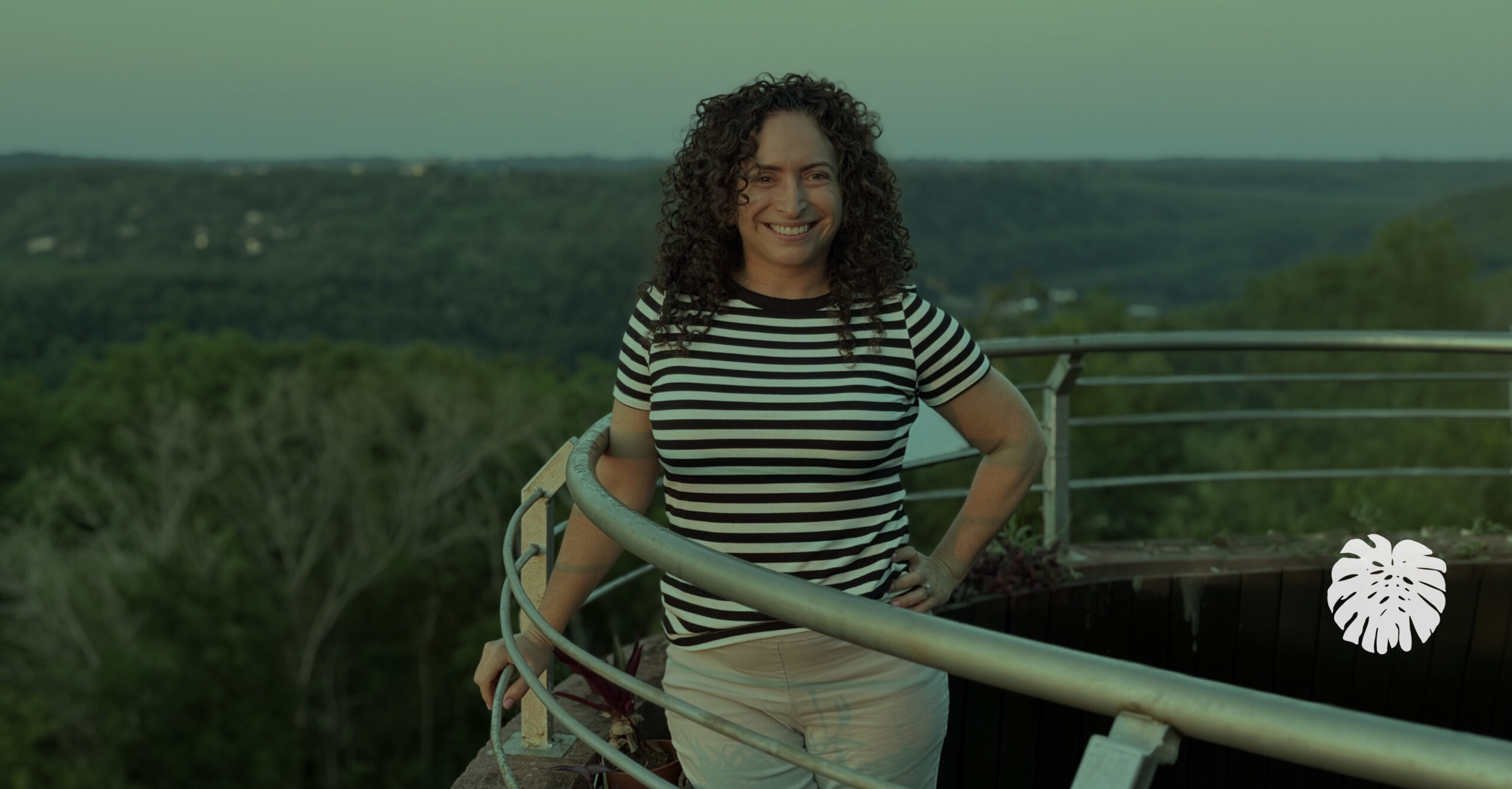
I first knew I wanted to be a translator when I was sixteen, in Puerto Iguazú, Argentina, while reading English literature one summer break. But I thought I’d translate books. Instead, I studied legal translation. I came to the U.S. for a master’s at Kent State, and landed an internship in Colorado. I worked for a translation company for many years, and then for a software localization department. I didn’t know it then, but those years gave me the foundation for everything that came after.
Getting Started
In those first years, I had phenomenal mentors. I wore a lot of hats—translator, editor, project manager, production manager—and I also learned to think on my feet. At the beginning, when I was just an intern, I had only ever used translation technology in a classroom setting. But that theory was enough to step up to the daily challenges of the real world. It worked. That instinct to find the right tool and figure out the process has shaped how I’ve worked ever since, and it’s how The Translation Team operates today.
From Employee to Founder
While at the software company, I was managing localization in 9 languages. The pay was good, but something was missing. That’s around the time I visited a friend in Panama. He was living his dream in a little shack on the sand. A simple life, connected to what mattered most to him—surfing, the ocean, and small-town living. I came back from that trip knowing I needed to do something meaningful in my career—and that corporate life was not it. I knew I wanted to work directly with clients, not one step removed from the people being served. By May 2014, I’d started The Translation Team, built from the start to work side by side with clients as an extension of their team. I haven’t been back to Panama since—but that moment of realization, which I call “the Panama effect”, still lives to this day.
Early on, I hired people I already knew. That was the easy part. When I’d tapped everyone in my network, I had to figure out how to hire people I hadn’t met. That part was harder, but we’ve been lucky.
We’ve built a team with a culture that’s quite special—collaborative, supportive, truly human. And our clients can feel it too. We are lucky to have a team that is engaged, knows the ins and outs of the accounts, and cares about getting it right.
Twelve years in, the work looks different, but the approach doesn’t. We come to every client initiative ready to solve linguistic and technological challenges, and we build every client relationship with the long term in mind.
On a recent in-person visit, one of our clients told us that “if it was The Translation Team doing the work, [they knew they didn’t] have to worry about the results.” That’s the relationship we strive to build with every client: hand us the content, focus on your work, and trust that we’ll figure out the right process to get it done right.
The tools we use have changed a lot over the past 12 years (not to say 25+ years). We now work with AI-powered machine translation and AI-assisted workflows that didn’t exist when we started. We stay current with the new technologies, and we’re thoughtful about how and where we apply them. But our commitment to the people we work with hasn’t changed.
The instinct to sort things out for our clients, the consistency we bring to every project, and the relationships we build with our clients over time, those are constants. The technology around us will keep changing. Those won’t.
People sometimes ask me what my growth strategy is. The truth is, I’m still figuring that out. People also ask me why I want the business to keep growing. And that, I do have answers for. First, I have a team that does a phenomenal job, and I want them to have a stable company with a great working environment where they can keep growing. That’s personal to me.
Second, we’re providing a service that makes a real difference in people’s lives. When someone can read critical information in their own language, or understand a school document about their child, or engage with a campaign that was created with them in mind, that matters.
And third, I want our clients to keep getting the kind of language and technology services that made them call us in the first place.
Internally, that means putting more people and more structure in place so we can keep delivering at the level our clients expect. So we’re building out our team and defining clearer roles across the organization.
We’re not chasing growth for growth’s sake. I believe there’s room in this industry for companies of all sizes, and The Translation Team doesn’t need to be the biggest to be excellent at what we do. We’ve recently won clients away from larger, more tech-first organizations because they wanted a closer partnership and weren’t getting it there. That’s the kind of work we’re built for.
We’re growing so we can offer more of what our clients already value about working with us: a team that knows their brand, stays current with the technology, and figures out the right solution for their multilingual content.
What We’re Seeing in the Industry
The industry itself is also shifting in ways that affect our clients directly. Our Solutions Architect, Joshua Velásquez, recently attended the Juntos conference in Buenos Aires, and what he heard there lines up with what we’re hearing from peers across the industry:
More organizations are looking for a partner who can help them think through their language strategy, not just turn files around. The companies that will do well are the ones that can operate as a true extension.
AI can produce a first draft quickly, but it can’t evaluate whether the tone is right for your audience or whether the wording is ambiguous and could create liability or cause problems. Having a partner who can tell you what’s worth automating and how quality is being measured matters more now than it did a few years ago.
They’re reviewing AI output, auditing workflows, and acting as cultural and linguistic leads on client accounts. The expertise required to do that well is becoming more valuable, not less.
As AI-only options become more common, clients who prioritize quality and accountability are going to be more selective about who they work with. The companies that can demonstrate real human expertise behind the work will stand out.
For me, The Translation Team has never been just a business. It’s a place to do meaningful work with great humans and for clients who trust us. My team brings real intention to every project, and that commitment shows in the relationships we build with our clients.
If you’re looking for a translation partner who will learn your brand, stick with you over time, and figure out the hard stuff so you don’t have to, we’d love to hear from you.
Let’s talk.

If you manage HR for a multilingual workforce, you are probably sending out translated documents you can’t read yourself. It’s understandable. Translation requests just keep coming in on top of everything else you are already managing: benefits updates, policy reminders, onboarding materials, safety notices, and more. And they often require a fast turnaround. So when someone is available, you ask a bilingual colleague. When they aren’t, you run it through Google Translate…

Global marketing isn’t only about appealing to customers in other countries or from other cultures. It’s also about understanding and honoring the complexity within your own. Bad Bunny’s Super Bowl halftime show offered a useful reminder of this. In 2026, one of the most mainstream all-American entertainment events of the year was delivered almost entirely in Spanish. And it was an absolute success, drawing in more than…

Most HR teams see translation as a compliance requirement. Far fewer see it as a strategic lever that can improve hiring, retention, and help non-native-speaking employees flourish in their roles. But that’s what it is. When you’re balancing legal requirements, employee well-being, and organizational goals, it makes sense that translation gets treated as just another task to complete. But for employees who speak English…